
School of Agriculture Broadens International Opportunities Through ILRI Knowledge Exchange in Ethiopia
Dr. Janet Pandi (PhD), the National Coordinator of the School of Agriculture's ACIAR Pacific Chicken Genetics Gain (PaCGG) Project, traveled to the International Livestock Research Institute (ILRI) in Addis Ababa, Ethiopia, to build the University's international research partnerships through a Knowledge Exchange visit.
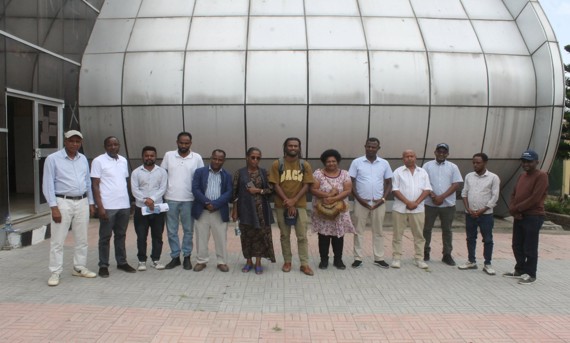
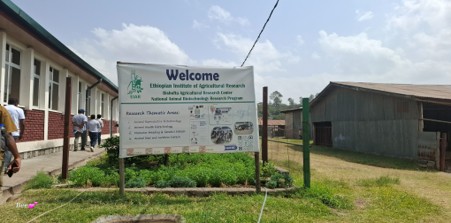
In late May, Dr Pandi traveled to ILRI, one of the world's leading centers for livestock research, as the PaCGG Project (ACIAR SRA LS-2024-128) National Coordinator of the School of Agriculture, on a Knowledge Exchange visit supported by the School and ACIAR, along with Project Leader Prof. Siaka Diarra and Mr. Kellon Moses. This visit was a part of the project's work to strengthen indigenous poultry genetics and breeding in Papua New Guinea, Vanuatu, and Samoa.
The visit enabled the University to be more involved with the Institute's programs, see world-class breeding and genebank facilities, and determine collaborative possibilities for both the Pacific poultry sector and the School's teaching and research.
The poultry team led by Ms Kassech Yeshitila, the Administrative Associate of ILRI Livestock Genetics Program, and by Dr Wondmeneh Esatu, the Project Lead for Poultry Research, organized the initial part of the delegation's technical program at the Sululta Meeting Room in the Centre for Tropical Livestock Genetics and Health, and a visit to ILRI's Forage Gene Bank headed by Gene Bank Manager Dr Alemayehu Teressa.
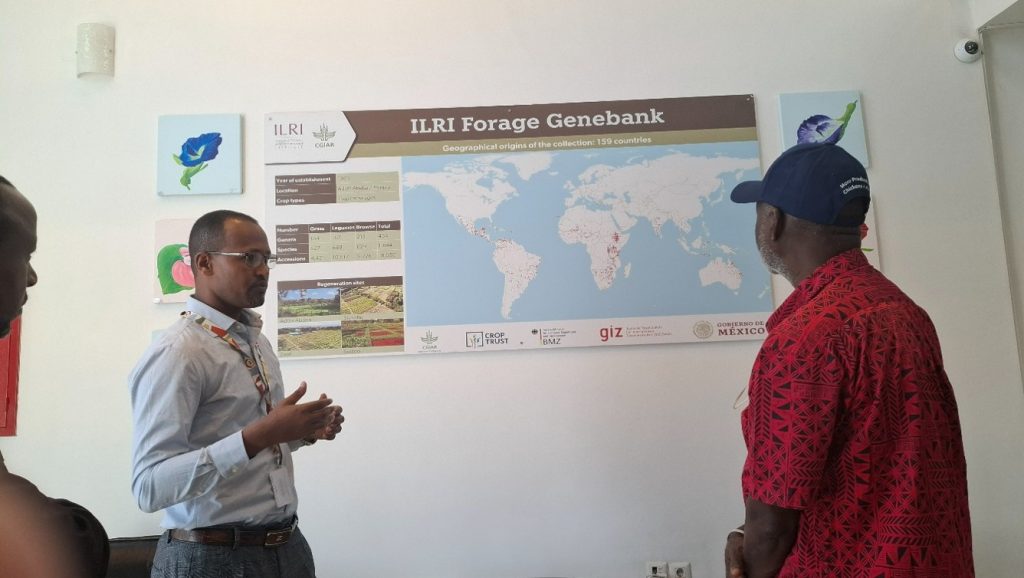
Visit to the Forage Genebank with Dr Alemayehu Teressa (Photo: J. Pandi, 2026)
Mr Mulugeta Birhanu gave a comprehensive presentation on ILRI's Poultry Research Program focused on chicken genetic improvement research in Africa and Asia, and this allowed for a constructive discussion differentiating the poultry sectors of Vanuatu and PNG and the regions from these case study countries, to identify salient lessons that could be applicable to the Pacific region. The delegation also reviewed the progress of the PaCGG household survey in the three mentioned Pacific countries, and Mr Harrison Njamba (Manager, Data Systems) gave a presentation on survey data collected using ODK forms.
The delegation then had the opportunity to visit ILRI's Poultry Research Facility and the Black Soldier Fly Larvae (BSFL) rearing unit and were guided by facility manager Dr Mekonnen Girma. The facility was inaugurated in 2018, and integrates an outdoor semi-scavenging system designed to mirror conditions of smallholder farms with an indoor breeding facility that houses up to 4,000 adult birds.
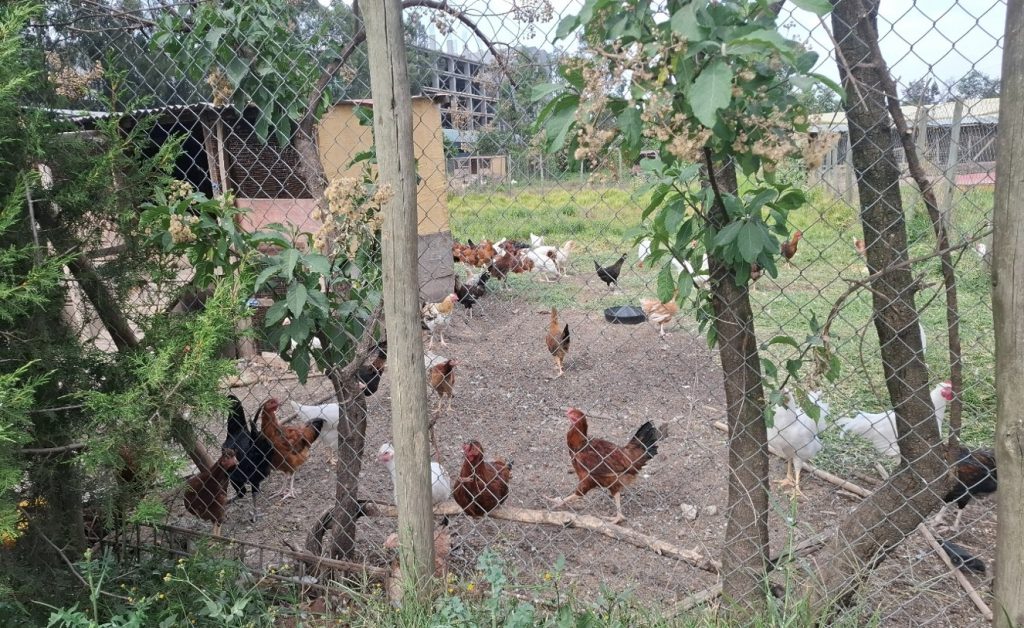
Outdoor semi-intensive rearing area, 4th generation screening (Photo: J. Pandi, 2026)
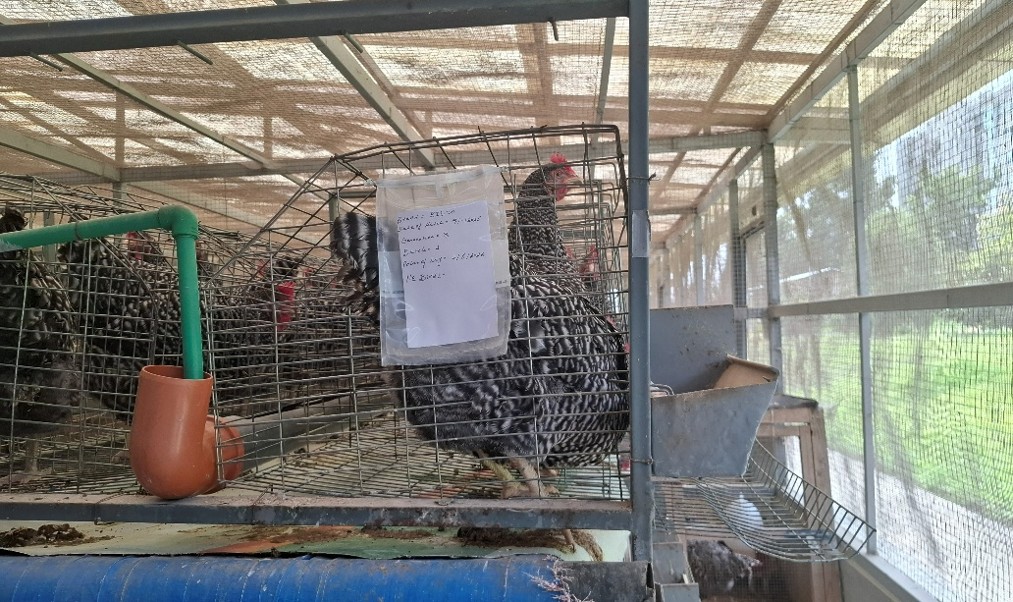
Indoor breeding facility (Photo: J. Pandi, 2026)
The visit provided three key learnings. These included the selection of maternal versus terminal breeds in the design of breeding programs; the role of data management in up-to-date poultry breeding records; and significant local poultry breeds for smallholder poultry systems in the Pacific. Each of these learnings are highly relevant to the School's ongoing research and extension efforts.
After the visit to EIAR, the delegation moved to the Bishoftu Agricultural Research Centre (BARC). The Director of BARC, Dr Setotaw Ferede, presented the Center's National Poultry Research Program covering breeding and genetics, feed and nutrition research, and the selection of breeding stocks. Examples of some of the research were the Improved Horro chicken and the DZ White synthetic breed. In addition, BARC's research on non-conventional feed resources using BSFL (black soldier fly larvae) to supplement or replace poultry feeding was presented.
The next stage of the visit focused on indigenous poultry breed research and included a review of the BARC live bird display and feed demonstrations to add comparison to the School's Pacific poultry programs.
The visit concluded with both institutions agreeing to support poultry research and development through stronger partnerships.
The default mode network (DMN) has been linked to self-referential thoughts and memories of one's own past through functional neuroimaging research. However, little is known about the function of the DMN for creative processes. Intriguingly, recent findings showed that brief disruption of the medial prefrontal cortex (mPFC), one of the core components of the DMN, with repetitive transcranial magnetic stimulation (rTMS) can improve divergent thinking ability on the Alternative Uses Test (AUT) through weakening of automatic semantic associates (Smith & Gupta, 2021). This finding was contrary to expectations and could be attributed to the controlled-attention theory of creativity. The theory emphasizes that excessive activity within the DMN might promote automatic response rather than allowing individuals to generate new ideas (Beaty, Benedek, & Silvia, 2020).
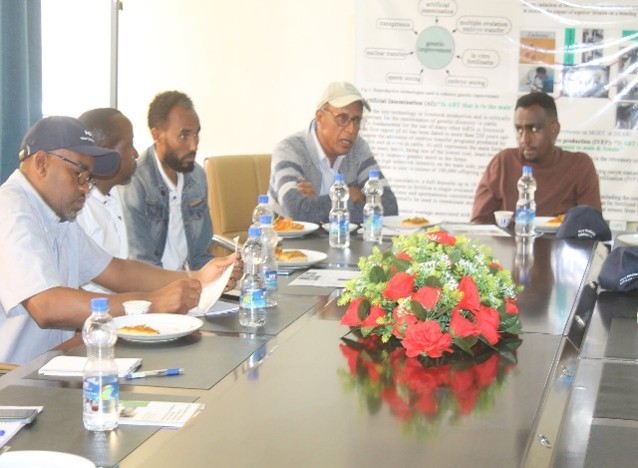
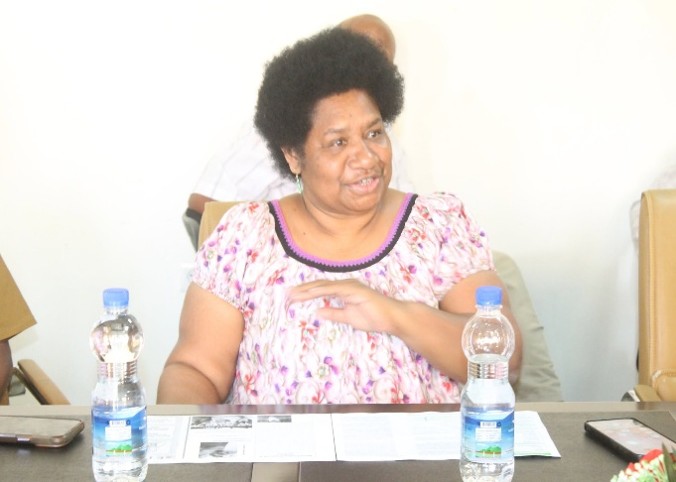
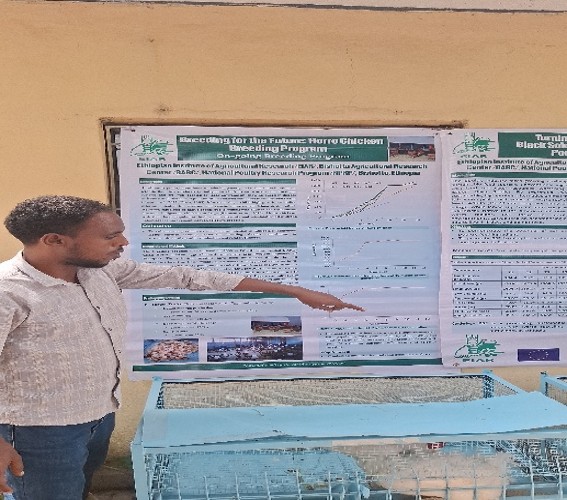
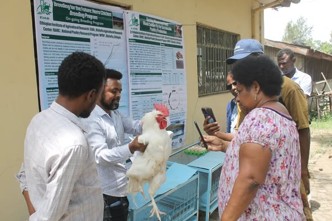
Interactions with researchers working under the National Poultry Research Program at BARC & BARC Live display (Photos: JPandi 2026)
In Addis Ababa, Dr Pandi and Mr Moses held a meeting with Professor Olivier Hanotte, who is a Principal Scientist and Deputy Director at CTLGH. They talked about their individual responsibilities within the PaCGG Project. Professor Hanotte presented ILRI's Genotype by Ecosystem program, explaining how it uses ecological modeling to define characteristics of native livestock types, specifically using village chickens in Ethiopia as an example. This method, which focuses on selecting breeds that suit local environmental conditions, clearly applies to future breeding strategy conversations in the Pacific region.
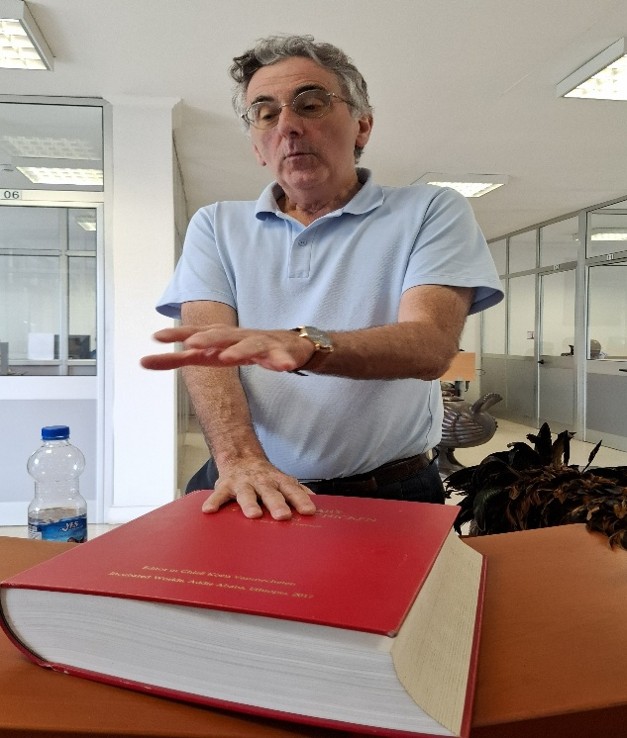
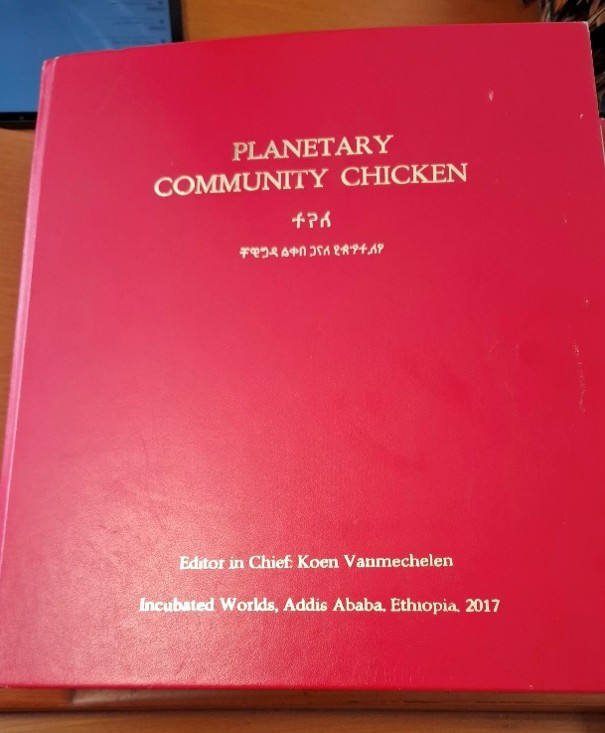
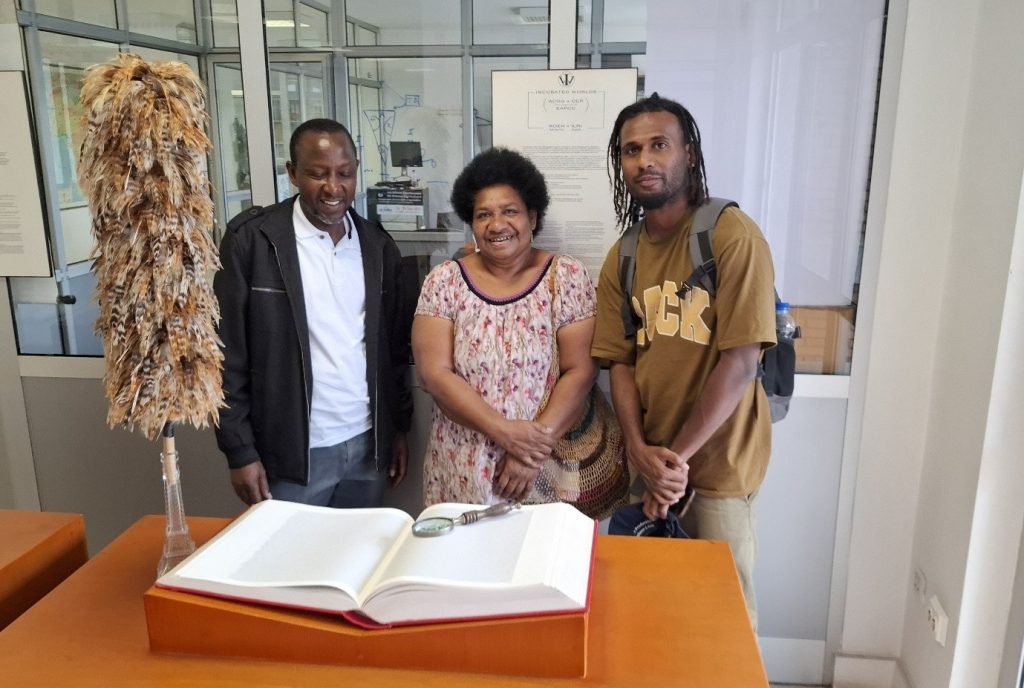
L to R: Discussion with Professor Olivier Hanotte. Book, "Genome: Planetary Community Chicken," comparative DNA sequence analysis of indigenous chicken. Brief Chat with Professor Olivier Hubert E Hanotte- Geneticist -Principal scientist & Deputy director at CTLGH (Photos: JPandi 2026)
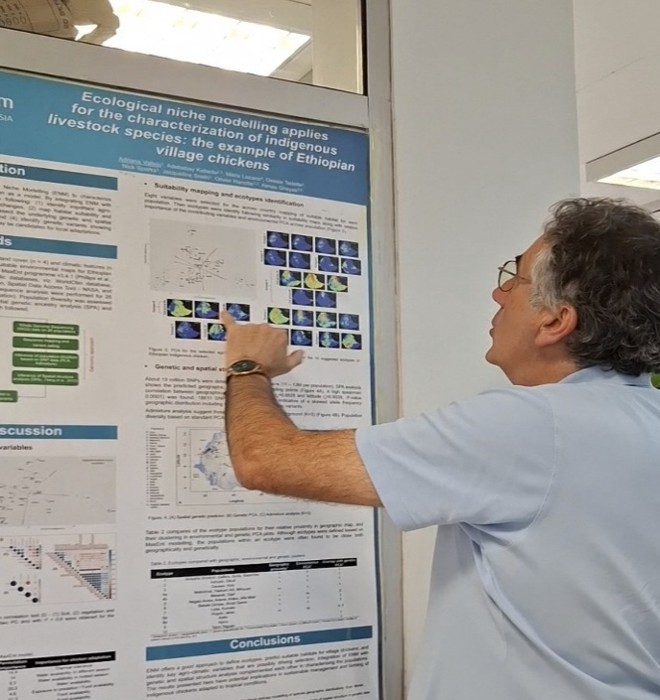
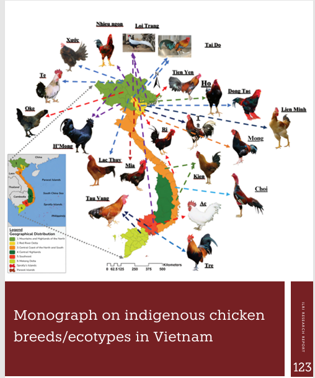
Professor Hanotte explaining the ecological modelling for the characterization of indigenous livestock species- the example of the Ethiopian village chickens and how this technology can be used in the Pacific (Correct breed for right ecosystem). (Photos: JPandi 2026)
The knowledge exchange has led to a clear list of next steps for the PaCGG team. These steps include finishing the collection of household survey data in Vanuatu and PNG, conducting Focus Group Discussions with local partners across all three Pacific nations, and advancing a review manuscript submitted to the World's Poultry Science Association (WPSA) journal.
The trip also created chances for more formal cooperation. There are ongoing discussions about ILRI personnel becoming adjunct professors at the University, which would involve them teaching online and guiding postgraduate students. The School intends to present its research on local chicken breeds from ILRI and BARC at the PNG Food and Nutrition Conference in July, which will further highlight this global partnership.
The School of Agriculture thanks Professor Siaka Diarra and ACIAR for arranging this exchange of knowledge. Thanks also go to the ILRI Poultry Team, Dr Wondmeneh Esatu, Mr Mulugeta Birhanu, and Ms Kassech Yeshitila, for their generous hospitality and the time they gave. The Pacific Chicken Genetics Gain (PaCGG) Project receives support from ACIAR SRA LS-2024-128.